The Complete Guide to B2B Email Marketing for 2025: Strategies, Tools & Best Practices
In the fast-evolving world of digital communication, b2b email marketing remains one of the most reliable and ROI-driven strategies for companies seeking long-term business relationships. Unlike B2C outreach, which focuses on quick conversions, B2B communication is built on trust, expertise, and value. As businesses increasingly prioritize lead nurturing and automation, email marketing has become a vital channel for connecting with decision-makers, generating high-quality leads, and strengthening industry authority.
Understanding What B2B Email Marketing Really Means
B2b email marketing refers to the process of sending targeted, personalized email campaigns from one business to another to promote products, services, or industry solutions. Unlike consumer marketing, the B2B process revolves around longer sales cycles, professional communication, and value-based messaging. Businesses use it for lead generation, onboarding, client retention, and product updates. Related terms like business email outreach, enterprise email campaigns, B2B lead nurturing, and corporate email automation reflect how significant this channel is for strategic communication.
A well-planned B2B email strategy ensures that companies deliver timely, relevant information to stakeholders. Whether it’s CEOs, marketing executives, or procurement teams, B2B emails must be authoritative, solution-focused, and aligned with organizational goals.
Why B2B Email Marketing Is Essential for Business Growth
Companies rely on b2b email marketing because it offers unmatched personalization, scalability, and performance tracking. As sales cycles become more complex and competitive, email remains a dependable way to educate leads and convert them into clients. With automation tools like Brevo, HubSpot, and Mailchimp, businesses can streamline communication, segment audiences based on interests, and improve engagement. Email also serves as a channel where businesses can share case studies, product demos, whitepapers, and personalized offers that influence decision-making.
Another major advantage is cost-effectiveness. Compared to paid advertising, email marketing delivers high ROI while enabling precise targeting. When combined with CRM integration and analytics, email becomes a powerful engine for long-term B2B success.
Key Elements of a Successful B2B Email Marketing Strategy
For any business to succeed with B2B communication, it must follow a structured framework. The foundation includes list segmentation, personalization, automation workflows, and high-value content delivery. Below is a detailed comparison table showing the essential elements required to execute impactful B2B campaigns.
How B2B Email Marketing Differs from B2C Campaigns
Although email marketing is universal, the approach for B2B is significantly different. B2B audiences expect industry insights, research-backed decisions, and long-term value. Emails must highlight ROI-focused benefits, case studies, and solutions that help businesses grow. B2C emails, in contrast, target emotions and instant purchases.
For B2B companies, the message must be more professional and educational. Executives look for problem-solving information rather than flashy promotions. This is why tools offering segmentation, personalization, and automation work extremely well in a B2B framework.
Types of Emails Used in B2B Email Marketing
Different businesses use different types of emails depending on their goals and the stage of the sales funnel. The most common types include:
1. Lead Nurturing Emails
These are designed to engage prospects, provide valuable insights, and build trust. They include whitepapers, blog updates, and industry reports.
2. Onboarding Emails
These help new clients or leads understand how to use a product or service effectively. Onboarding emails create a smooth introduction and improve retention.
3. Promotional Emails
Businesses share offers such as limited-time discounts, demo invitations, or product announcements.
4. Transactional Emails
These include account updates, password resets, purchase confirmations, and invoices—critical for ongoing client relationships.
5. Re-engagement Emails
Designed to reconnect with inactive subscribers, offering new content or exclusive insights.
Top Benefits of B2B Email Marketing
Companies that invest in B2B email marketing experience a range of benefits that directly improve sales and brand reputation. Some of the major advantages include:
- High ROI due to low costs compared to PPC or outbound sales strategies
- Higher engagement through personalized content
- Stronger customer relationships thanks to automation
- Better lead qualification through data and analytics
- Improved sales alignment with CRM integration
- Increased authority through consistent, educational messaging
Platforms like Brevo, HubSpot, and ActiveCampaign make it easy for businesses to automate journey-based email sequences and target audiences precisely.
Reads More: Choosing the Best SMS and Email Marketing Platform for 2025
Best Practices for Effective B2B Email Marketing
To maximize results, businesses should follow proven strategies that boost deliverability, engagement, and conversions. Clear subject lines, concise copy, and value-driven content make a strong impact on busy executives. Using segmentation ensures that the message reaches the right audience.
Other best practices include:
- Creating mobile-responsive emails
- Testing email designs through A/B testing
- Using dynamic personalization
- Including strong call-to-actions
- Sending emails based on customer behavior
- Maintaining a healthy sender reputation
These practices help businesses increase conversion rates and reduce bounce rates.
Why Tools Like Brevo Are Popular Among B2B Marketers
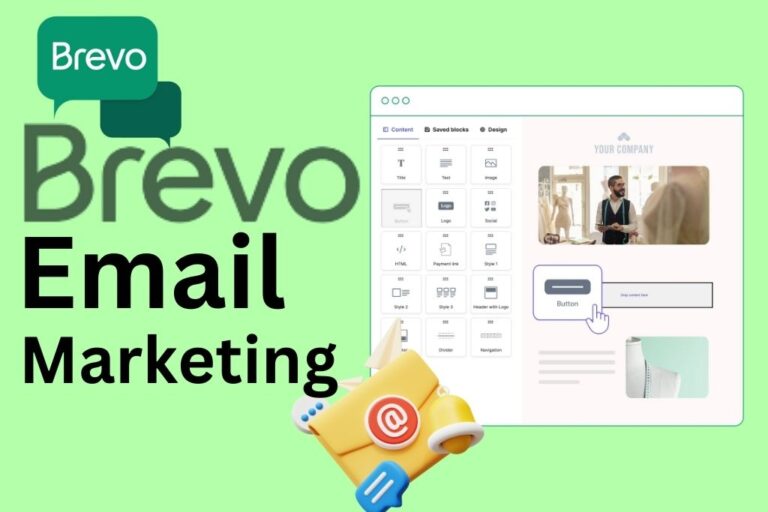
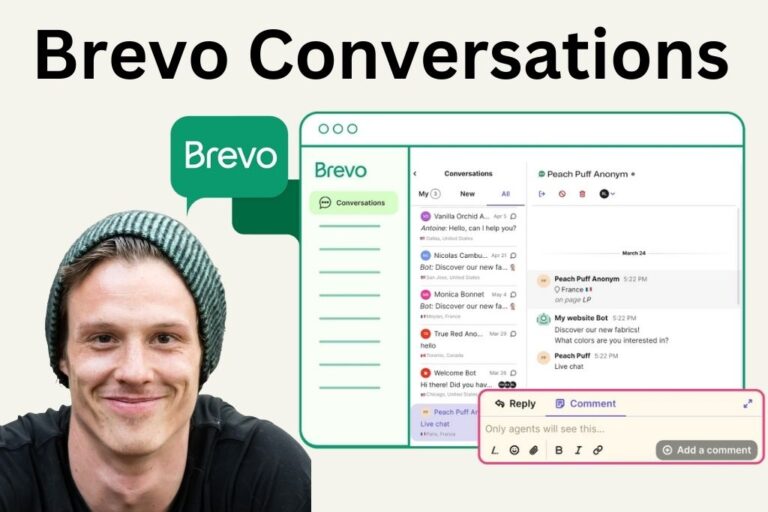
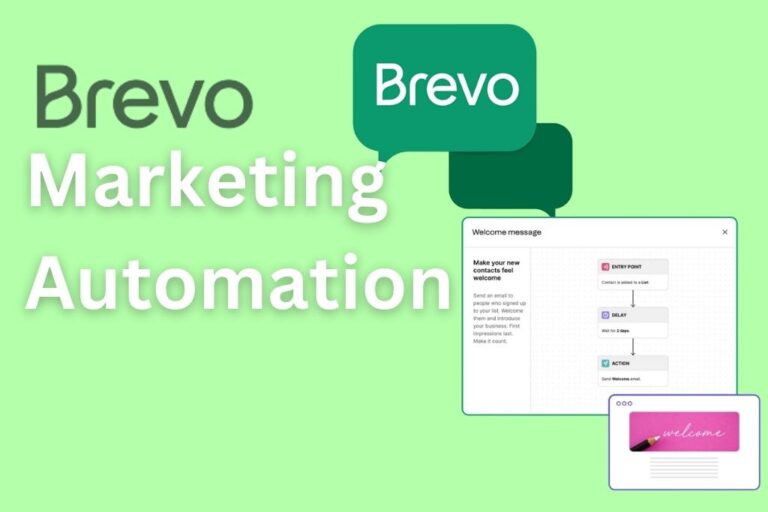
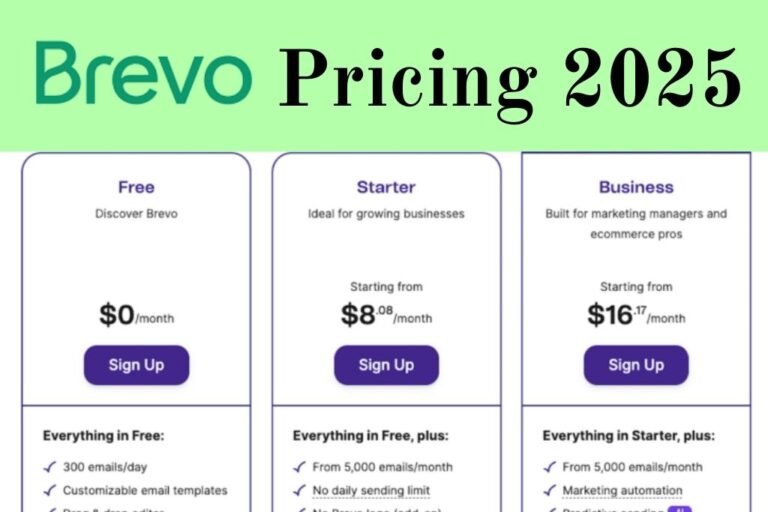
Brevo is widely recognized for its advanced automation capabilities, CRM integration, and affordability. It allows companies to send professional B2B emails, manage leads, track interactions, and create automated workflows—all from a single dashboard. With intuitive templates, segmentation features, and analytics, Brevo makes B2B communication both efficient and impactful. Other tools like Mailchimp and HubSpot also offer robust features, but Brevo stands out due to its value-for-money pricing and user-friendly interface.
Conclusion: The Future of B2B Email Marketing
As businesses continue moving toward automation and data-driven decision-making, b2b email marketing will remain a cornerstone of digital growth. With the right tools, strategy, and content, companies can nurture leads, establish expertise, and build profitable relationships. Whether you are a startup or a global enterprise, investing in a solid B2B email strategy is essential for long-term success. By combining segmentation, personalization, automation, and CRM integration, businesses can achieve higher conversions and stronger brand authority in 2025 and beyond.