Digital Marketing Explained: Deep Research for Begginers
In today’s fast-paced online world, Digital Marketing has become the backbone of modern business growth. From brand visibility to lead generation, companies big and small now rely on digital platforms to reach their audiences. With technology evolving rapidly, understanding digital marketing is essential not just for marketers but for business owners, students, freelancers, and entrepreneurs. This guide explains what digital marketing is, how it works, why it’s important, and what strategies are shaping the future.
What Is Digital Marketing?
Digital Marketing refers to the promotion of products, services, or brands using online channels such as search engines, social media, email, websites, mobile apps, and digital advertising. It involves strategies like SEO, content marketing, social media marketing, PPC advertising, email campaigns, and analytics-driven decision-making.
Unlike traditional marketing, which relies on TV, radio, newspapers, and billboards, digital marketing uses digital platforms for precise targeting and measurable results.
Why Digital Marketing Is Important in 2025
As online activity increases, businesses must meet their customers where they spend their time—on digital platforms. Whether through mobile search, social media scrolling, or browsing e-commerce sites, customers interact with brands online more than ever before.
Digital Marketing offers:
- Precise targeting using demographics, interests, and behavior
- Cost-effective campaigns compared to traditional advertising
- Measurable performance through analytics and tracking
- Higher ROI with optimized online strategies
- Real-time communication via social media, chatbots, and email
- Global reach beyond geographical boundaries
These advantages make digital marketing essential for business sustainability and growth.
Read More: The Complete Guide to B2B Email Marketing for 2025: Strategies, Tools & Best Practices
Types of Digital Marketing You Must Know
Digital marketing is not one single strategy—it includes multiple components. Each plays a unique role in attracting, engaging, and converting customers.
1. Search Engine Optimization (SEO)
SEO allows websites to rank higher on Google and other search engines. It includes keyword optimization, backlinks, on-page improvements, and technical performance.
2. Social Media Marketing (SMM)
This involves promoting brands through platforms like Facebook, Instagram, LinkedIn, X (Twitter), and YouTube.
3. Pay-Per-Click Advertising (PPC)
Businesses run paid ads on Google, Meta Ads, or Bing to get instant visibility.
4. Content Marketing
High-quality content such as blogs, ebooks, videos, and infographics helps build brand authority.
5. Email Marketing
Brands send newsletters, promotions, and automated sequences to nurture leads and convert them into customers.
6. Influencer Marketing
Companies collaborate with content creators to promote products to targeted audiences.
7. Mobile Marketing
SMS marketing, push notifications, and mobile-friendly ads target smartphone users.
How Digital Marketing Works: Step-by-Step
Digital marketing functions through a structured framework designed to attract users, convert them, and retain them:
Step 1: Understanding Your Target Audience
Marketers study customer demographics, interests, online behavior, and buying patterns.
Step 2: Selecting the Right Channels
Depending on the business type, marketers choose SEO, social media, email, PPC, or combined strategies.
Step 3: Creating High-Value Content
Content is the heart of digital marketing. It includes blog posts, videos, social media posts, ads, landing pages, and more.
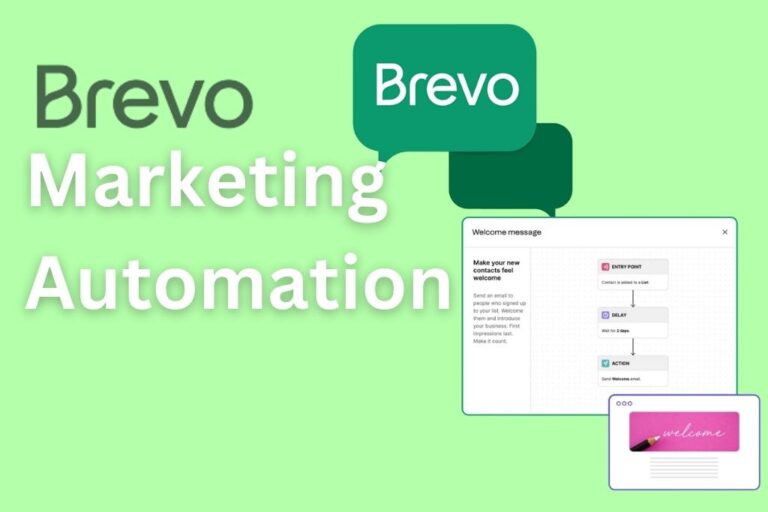
Step 4: Running Campaigns & Automations
Businesses use tools like Brevo, HubSpot, or Mailchimp to automate emails, ads, and customer journeys.
Step 5: Tracking & Analyzing Performance
Analytics tools measure impressions, clicks, conversions, ROI, and customer behavior.
Step 6: Optimizing campaigns
Based on data, marketers adjust strategies to improve results continuously.
Benefits of Digital Marketing for Modern Businesses
Digital Marketing offers several unparalleled benefits that make it a necessary part of modern business strategies:
- Budget-friendly marketing suitable for small and large businesses
- Better audience targeting using advanced segmentation tools
- Measurable performance through analytics dashboards
- Improved customer relationships through email and social engagement
- Higher conversion rates using optimized landing pages and funnels
- 24/7 online presence increasing brand visibility
In the competitive digital landscape, companies without strong online strategies risk losing customers to competitors.
Future Trends in Digital Marketing
The digital world is evolving rapidly. Here are the top trends shaping the future of Digital Marketing:
- AI-driven personalization for emails, ads, and website experiences
- Voice search optimization as smart speakers become common
- Video-first content marketing through short-form and long-form videos
- Automation & marketing workflows replacing manual tasks
- Influencer partnerships growing across industries
- Privacy-focused marketing due to new data protection laws
Businesses that adopt these trends early will dominate online visibility.
Final Thoughts: Why Digital Marketing Is the Future
In a world where customers, clients, and brands interact mostly online, Digital Marketing is no longer optional—it is essential. It helps businesses grow, engage audiences, boost sales, and build long-lasting customer relationships. Whether you’re just starting or want to scale your business, investing in digital marketing strategies will give you a competitive advantage in 2025 and beyond.