The Ultimate WhatsApp Marketing Strategy Tips for 2025
Introduction to WhatsApp Marketing Strategy
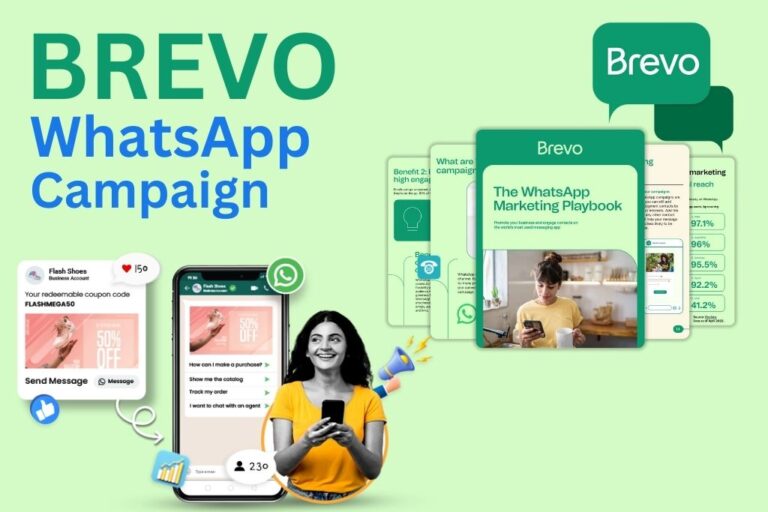
WhatsApp has evolved into a powerful communication tool for businesses, transforming how brands connect with customers. With over two billion active users, the platform offers immense potential for personalized engagement, instant responses, and automated messaging. This article provides a detailed overview of the best WhatsApp marketing strategy, including practical examples, Whether you run a small business or a large enterprise, mastering this channel can significantly improve your conversions and customer experience.
Why WhatsApp Matters in Modern Marketing
One of the biggest strengths of WhatsApp is its unmatched open rate. Messages sent through WhatsApp achieve nearly 98% open rates, which is significantly higher than email or SMS. This makes WhatsApp an essential component of digital communication. Furthermore, WhatsApp allows businesses to send personalized offers, order updates, customer service replies, and automated reminders—all in real time.
The platform’s versatility makes it suitable for ecommerce companies, service-based businesses, educational institutions, and even local shops. For marketers searching for effective WhatsApp promotional methods or customer retention strategies, WhatsApp offers a direct line of communication that feels natural and interactive.
Understanding WhatsApp Business and WhatsApp API
Before developing your strategy, it’s important to understand the two business tools WhatsApp offers: WhatsApp Business App and WhatsApp Business API. Each has different features designed for different business needs.
WhatsApp Business Tools Comparison
| Feature | WhatsApp Business App | WhatsApp Business API |
| Best For | Small businesses | Medium & large businesses |
| Automation | Limited | Advanced automation workflows |
| Broadcasting | Basic lists | Unlimited segmentation |
| Integrations | Few | Compatible with CRM & marketing tools |
| Multi-Agent Support | No | Yes |
These tools enable businesses to build a custom WhatsApp marketing strategy based on their goals, budgets, and audience size.
Read More: B2C Email Marketing Strategy for 2025: Max Sales
Building an Effective WhatsApp Marketing Strategy
Crafting a strong WhatsApp marketing strategy requires clarity, planning, and consistency. Below are the key pillars to creating a system that attracts, engages, and converts customers.
1. Define Your WhatsApp Marketing Goals
Clear goals help shape the tone and structure of your messages. Common WhatsApp marketing objectives include:
● Increasing brand awareness
● Generating leads
● Improving customer support
● Boosting sales
● Sending promotional campaigns
● Automating follow-ups
Having measurable goals ensures you can track results accurately.
2. Build a Targeted WhatsApp Audience
Your WhatsApp audience should consist of individuals who have willingly opted in. This improves engagement and lowers the risk of spam complaints.
Ways to grow your WhatsApp subscriber list include:
● Website pop-ups
● Landing pages
● Social media posts
● QR codes displayed in stores
● Lead generation ads
As users subscribe, organize them into segmented lists to improve personalization.
3. Use WhatsApp for Personalized Communication
Personalization is the heart of WhatsApp marketing. Using a customer’s name, purchase history, or preferences helps create a more meaningful connection. This approach builds trust and boosts conversions.
For example:
- “Hi Riya, your order is ready for delivery.”
- “Hello Amit, here’s a 20% discount just for you.”
These personalized messages increase the chances of receiving responses compared to generic broadcasts.
4. Create Valuable WhatsApp Content
Valuable content ensures customers remain engaged and loyal. Mix different types of content to keep communication lively and interactive.
Examples of engaging WhatsApp content:
● Product demos
● Limited-time offers
● Event reminders
● Informational guides
● Audio notes or short videos
● Festive greetings
● Behind-the-scenes clips
This combination of media ensures your WhatsApp marketing strategy remains strong and effective.
5. Use WhatsApp Automation for Smart Marketing
Automation is one of the biggest advantages of using WhatsApp API. Automated workflows save time and provide 24/7 communication.
Common WhatsApp automation examples include:
● Welcome messages
● Cart abandonment reminders
● Payment confirmations
● Delivery tracking
● Customer support replies
These automated flows increase customer satisfaction while reducing manual efforts.
6. Timing and Frequency Matter
Sending too many messages irritates users, while too few may cause them to forget your brand. The ideal WhatsApp frequency is 3–5 messages per week, depending on your industry.
The best times to send messages are:
● 11 AM – 2 PM
● 6 PM – 9 PM
This ensures higher open rates and better engagement.
7. Analyze Performance to Improve Strategy
WhatsApp analytics provides valuable insights into your campaigns. Track the following metrics:
● Message open rates
● Click-through rates
● Response time
● Conversion percentage
● Customer satisfaction
● Opt-out rate
By analyzing results, you can refine your campaign and deliver better experiences.
WhatsApp Broadcast vs. WhatsApp Automation: Which Is Better?
| Aspect | WhatsApp Broadcast | WhatsApp Automation |
| Purpose | Send one-time messages | Run ongoing workflows |
| Personalization | Limited | Highly personalized |
| Use Case | Promotions, announcements | Customer service, cart recovery |
| Best For | Small businesses | Fast-growing brands |
Using both methods together creates a powerful WhatsApp marketing strategy that supports every stage of the customer journey.
Tips to Maximize WhatsApp Marketing Results
Here are additional techniques to strengthen your WhatsApp campaigns:
● Use emojis to make messages lively
● Keep messages short and clear
● Always include a CTA (Call To Action)
● Use product catalogs to showcase items
● Set up quick replies for faster interaction
● Maintain consistent brand tone
These tips ensure your WhatsApp communication remains polished and professional.
Common Mistakes to Avoid in WhatsApp Marketing
Even though WhatsApp is easy to use, businesses often make errors that reduce effectiveness.
Avoid:
● Sending bulk messages without consent
● Over-promoting your products
● Not using CTA links
● Neglecting customer support
● Sending long paragraphs
Correcting these mistakes helps improve customer trust and engagement.
Final Verdict: Why WhatsApp Marketing Strategy Matters in 2025
WhatsApp is no longer just a messaging app—it has become a full-fledged marketing and customer support platform. A well-planned WhatsApp marketing strategy helps businesses deliver personalized experiences, boost sales, and build long-term relationships. With automation, segmentation, broadcasts, and direct communication, WhatsApp gives brands a powerful advantage in today’s competitive digital world.