What is Marketing Automation: Transforms Modern Businesses
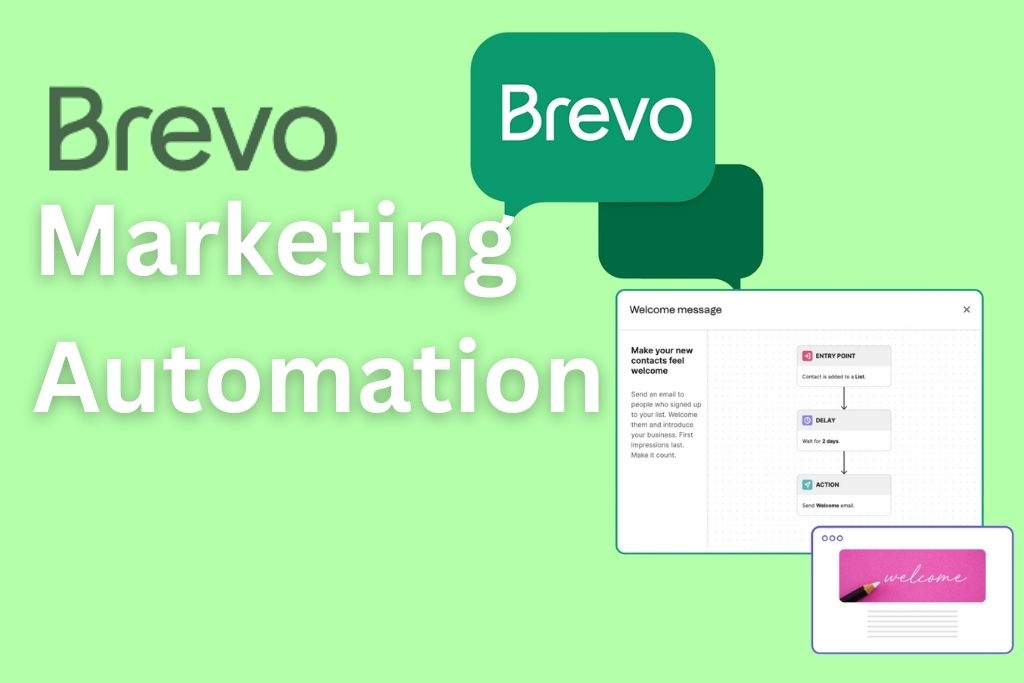
In today’s digital ecosystem, businesses must manage multiple communication channels, nurture leads, track customer behavior, and measure campaign performance — all at the same time. This is where Marketing Automation emerges as a game-changing technology. It helps brands automate repetitive marketing tasks, improve customer engagement, and increase ROI with precision. From personalized email sequences to AI-driven customer journeys, marketing automation has become the backbone of modern digital strategy.
What Is Marketing Automation? A Simple Yet Powerful Explanation
Marketing Automation refers to the use of software and tools to automate, streamline, and measure marketing tasks such as email campaigns, lead nurturing, customer segmentation, and multi-channel communication. Instead of manually sending messages or tracking customer interactions, automation tools perform these tasks automatically based on triggers, customer actions, or predefined rules.
In short, marketing automation helps businesses work smarter, not harder. Whether a customer signs up for a newsletter, abandons a cart, or browses specific products, automation ensures the right message is delivered at the right time.
Related keywords: automated marketing, digital marketing automation, email automation, CRM automation, customer journey automation, marketing workflows.
Why Marketing Automation Matters in 2025
As digital communication expands with email, SMS, WhatsApp, chatbots, and social media, managing everything manually becomes impossible. Marketing automation simplifies the process by bringing intelligence and timing to every customer interaction.
With automation, businesses can send personalized messages, optimize campaigns using data insights, and scale communication without expanding staff. This saves time, reduces human error, and enhances customer experience.
Key Features of Marketing Automation and How They Work
1. Email Automation
Email automation is the heart of marketing automation. It helps businesses create sequences like welcome emails, product recommendations, or follow-ups based on user behavior.
2. CRM Integration
Marketing automation tools usually include CRM systems that store customer data. This allows brands to create targeted campaigns based on customer interests and purchase history.
3. Multi-Channel Communication
Automation goes beyond email. It includes SMS, WhatsApp, chatbots, and push notifications to reach customers where they are most active.
4. Customer Segmentation
Automation platforms segment users based on demographics, actions, behavior, and preferences, resulting in highly targeted campaigns.
5. Analytics & Reporting
Detailed reports help businesses measure performance, track conversion rates, and refine marketing strategies.
Read More: Brevo Pricing 2025: A Complete Breakdown of Costs, Plans & Value
Table: Key Features of Marketing Automation and Their Purpose
| Feature | What It Does | Business Benefit |
| Email Automation | Sends automated email sequences | Saves time, boosts engagement |
| CRM Integration | Stores customer data and interactions | Enables personalization |
| Multi-Channel Messaging | Automates SMS, WhatsApp, & push alerts | Increases message visibility |
| Segmentation | Groups customers by behavior & interest | Higher conversions |
| Analytics | Tracks campaign performance | Data-driven decisions |
How Marketing Automation Works: Step-by-Step Understanding
The working process of automation is simple yet powerful. First, you capture leads through forms, popups, or landing pages. Then, the system stores the data in CRM. Based on user actions, triggers initiate automated messages or workflows. For example, if a customer adds an item to their cart but doesn’t purchase it, automation sends a reminder email or discount SMS.
This entire journey runs automatically without manual intervention, making it ideal for businesses of all sizes.
Benefits of Marketing Automation: Why Every Business Needs It
Increased Efficiency
Automation eliminates repetitive tasks like sending emails or updating contact lists, allowing businesses to focus on strategy and sales.
Higher Engagement
Personalized messages based on real-time behavior significantly improve interaction and customer satisfaction.
Improved Lead Nurturing
Automation allows brands to nurture leads with valuable content until they are ready to buy.
Cost Savings
With automation, businesses reduce operational costs and improve resource usage.
Better Decision Making
With analytics and insights, Digital marketers make informed decisions and improve campaign performance.
Table: Benefits of Using Marketing Automation
| Benefit | Description | Impact on Business |
| Time Savings | Automates repetitive tasks | Increased productivity |
| Personalization | Sends tailored messages | Higher customer satisfaction |
| Lead Nurturing | Moves leads through funnel | Increased conversions |
| Cost-Efficiency | Reduces manual labor | Budget optimization |
| Analytics Insights | Tracks all performance data | Better marketing decisions |
Popular Use Cases of Marketing Automation
1. E-Commerce Brands
They use automation for abandoned cart reminders, product alerts, order updates, and loyalty promotions.
2. Service-Based Businesses
Automation helps with appointment reminders, onboarding messages, and follow-up notifications.
3. SaaS Companies
SaaS brands automate trial onboarding, customer retention, and feature update announcements.
4. Coaches & Creators
They use automation for course delivery, webinar reminders, and email newsletters.
Marketing Automation Tools: What Tools Are Used for Automation?
Leading tools include Brevo, HubSpot, ActiveCampaign, Mailchimp, Zoho, Klaviyo, and Marketo. These platforms offer automation workflows, drag-and-drop builders, CRM, analytics, and multi-channel messaging.
Marketing Automation vs Traditional Marketing: What’s the Difference?
| Aspect | Traditional Marketing | Marketing Automation |
| Process | Manual activities | Automated workflows |
| Personalization | Limited | High-level personalization |
| Speed | Slow | Instant communication |
| Scalability | Difficult | Scales effortlessly |
| Data Use | Basic tracking | Deep analytics & insights |
Future of Marketing Automation: Trends for 2025 and Beyond
Marketing automation is evolving rapidly, with AI and machine learning taking center stage. Predictive analytics, AI-powered chatbots, smart email personalization, and advanced customer journey mapping will continue to shape the future of automation.
Businesses that embrace automation early will gain a competitive edge, deliver superior customer experiences, and optimize resources efficiently.
Conclusion: Why Marketing Automation Is Essential for Modern Businesses
Marketing Automation is no longer optional — it is a necessity for any business aiming to grow in today’s competitive environment. It helps companies automate communication, nurture leads, personalize experiences, and increase revenue without increasing workload. With its powerful features like email automation, CRM integration, multi-channel messaging, segmentation, and analytics, marketing automation ensures faster growth, smarter decisions, and improved customer satisfaction.